
Grand Turk weather and your travel plans
Grand Turk weather matters differently for a day in Cockburn Town, a beach visit and a boat excursion. Choose your dates by the activity that matters most, then leave space for a different day on land. A seasonal description helps set expectations, while conditions on the day determine how comfortable a particular outing will be.
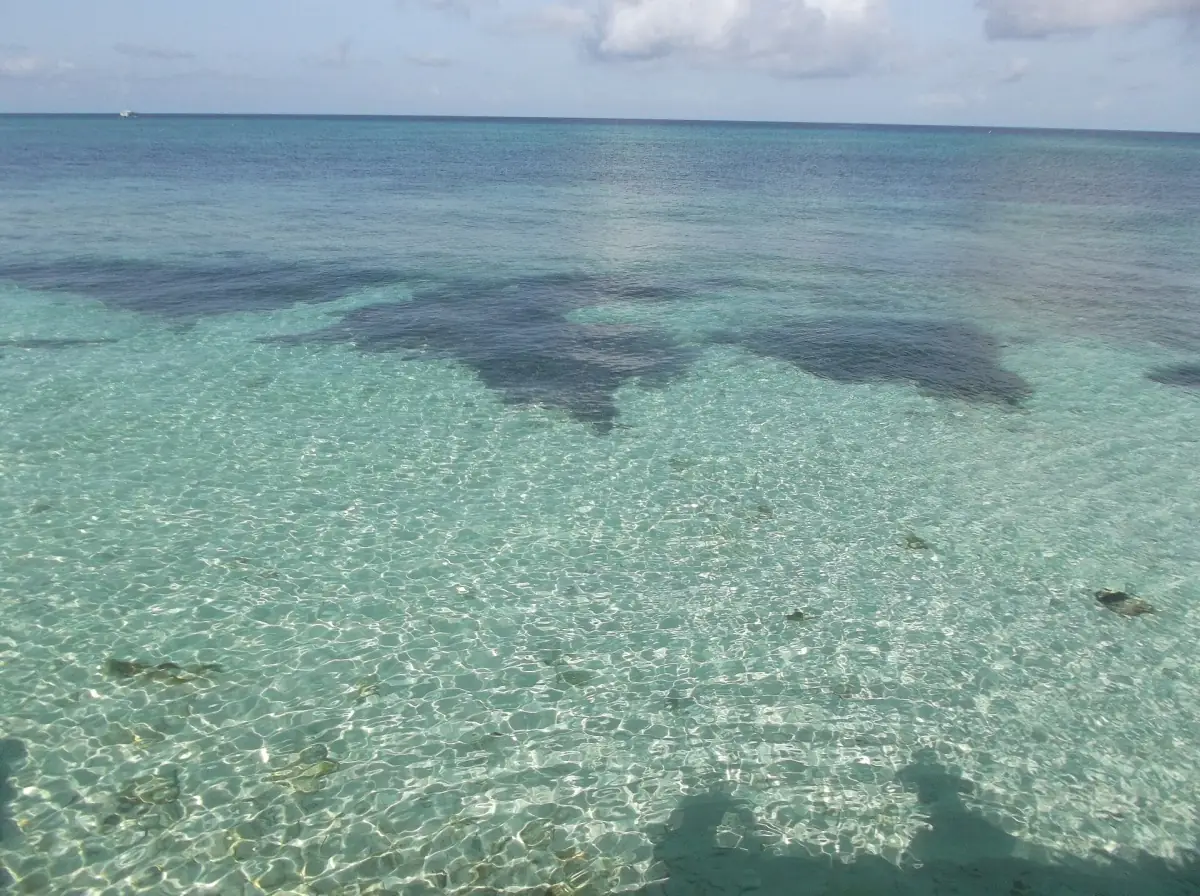
The best time to visit Grand Turk depends on whether your priority is the reef, island history or the main whale-watching window. The cooler season overlaps with the principal period for whales, but winter weather can also affect the sea. A sunny seafront photograph captures a moment rather than the conditions for every boat departure. Build your plan around the season and retain flexibility within it.
Warmer and cooler seasons: spring and autumn
The airport authority’s general description of the Turks and Caicos Islands identifies May to October as warmer and November to April as cooler. Use that distinction as a broad guide to the feel of your days. It applies to the island group, so combine it with the actual forecast when packing and choosing the activities for your stay.
Spring includes the later part of the cooler period and the move towards warmer months. Autumn spans the end of the warmer period and the start of the cooler one. For a trip centred on Cockburn Town and island history, the date can follow your preferred seasonal feel. For a trip centred on the water, sea conditions deserve equal weight.
A North Creek outing
This glass-bottom boat outing gives you a water activity to consider when planning around weather and sea conditions.
Hand-picked tours, booked through GetYourGuide. Prices are indicative starting prices in US dollars (as of November 2026). Tap a tour for live availability and the current price in your currency.
North Creek by glass-bottom boat
This weather-dependent North Creek outing includes a 40-minute guided glass-bottom boat ride and bottled water. Wildlife observation is part of the experience; the trip explores the creek.
Rainy season and flexible days
The airport authority describes the rainy season broadly as May to November or December, with a dry season from December to April. Treat these as general seasonal descriptions rather than a promise about a particular week. A dry-season stay still calls for flexible plans, and a visit in the broader rainy period can include time outdoors.
Put a water excursion early enough in your stay to leave room for another plan. Pair it with an interest that works as a separate land day, such as the historical streets of Cockburn Town. This makes your itinerary less dependent on a single departure. Choose your accommodation area with those everyday journeys in mind as well as the beach.
Atlantic hurricane season: June to November
The Atlantic hurricane season runs from 1 June to 30 November. Official hurricane-readiness material published in April 2025 also notes that activity can occur outside the season. These dates are a planning framework, rather than a daily assessment for Grand Turk. Use the current forecast and active official notices when making decisions close to departure.
Keep flight arrangements, your accommodation address and excursion contacts accessible while travelling. If you arrive by cruise ship, the ship’s arrangements and return time remain central to the port day. If you stay on the island, leave room around your onward journey. The arrival and transport guide separates domestic flights, local taxis and cruise meeting points.
Whale watching: January to March
January to March is the main whale-watching window described for Grand Turk and nearby Salt Cay. Choose this part of the year when whales are an important reason for your journey, while keeping the encounter itself open-ended. Wildlife moves freely, and a seasonal window is different from an appointment with an animal.
Allow the conditions and the crew’s guidance to shape a whale-watching outing. Observe animals without chasing them or getting between a mother and calf. For another kind of time afloat, the North Creek glass-bottom boat tour explores the creek with a guide. Its duration field is one hour, including a guided ride of 40 minutes. Keep that creek experience separate from plans to watch whales offshore.
Diving, snorkeling and boats in swell
Diving and snorkeling are offered throughout the year by a local dive operator, with sites selected according to weather, the sea and participants. Winter conditions can affect wind, swell and visibility. The reef guide distinguishes a snorkeling outing from scuba diving at the Wall, which has its own participation requirements.
For a beach day, judge the water you actually see and stay clear of boat approaches. For a boat day, follow the crew’s decisions on the route and conditions. The beach guide and excursion comparison help you keep alternative activities in view without assuming the same conditions around every part of the island.
Season and weather questions
Which months are cooler?
The airport authority describes November to April as the cooler period and May to October as warmer, for the island group generally.
When is the main whale-watching window?
January to March is the main window. Choose those months for a whale-focused trip and let conditions guide the actual outing.
Can I plan diving in winter?
Diving is offered year-round, with daily site selection affected by weather and the sea. Winter wind and swell can influence conditions.
What does the North Creek tour explore?
North Creek by glass-bottom boat, with a guided ride of 40 minutes and bottled water. It is a creek outing with wildlife observation.